Food deserts in Canada: where groceries are hard to reach
Related comparisons
Millions of Canadians live in food deserts — areas without convenient access to affordable, fresh groceries. Here is where the gaps are and who they affect.
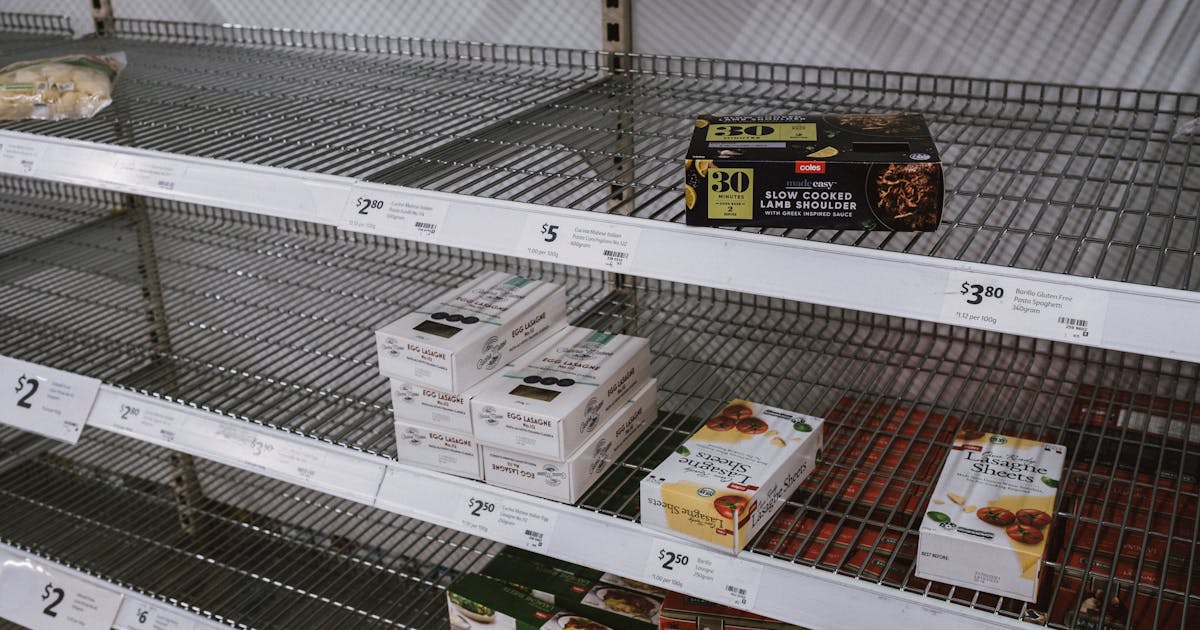
A food desert is an area where residents have limited access to affordable, nutritious food — typically defined as being more than a reasonable distance from a full-service grocery store. In Canada, food deserts exist in rural communities, remote Northern regions, and surprisingly, in pockets of major cities.
Where are Canada's food deserts?
Northern and remote communities
Many First Nations, Inuit and Métis communities in Northern Canada have no road-accessible grocery store at all. Food arrives by air or by ice road seasonally, and prices are routinely two to three times the southern average. A head of lettuce or a jug of milk can cost $10 to $20 in communities like Iqaluit, Churchill or fly-in reserves in Northern Ontario and Manitoba.
Rural communities
As major chains consolidated, many small-town grocery stores across the Prairies, Atlantic Canada and rural Ontario closed. Residents may drive 30 to 60 minutes or more for a full-service grocery run. For seniors and people without vehicles, the impact is acute.
Urban food deserts
Low-income urban neighbourhoods in Toronto, Winnipeg, Edmonton and other cities can be effectively food deserts despite being within a city. When the nearest affordable grocery store is a long bus ride away and the neighbourhood options are convenience stores or dollar stores, access is functionally limited.
Who is affected most?
Indigenous communities, especially in remote Northern regions
Low-income households without reliable vehicle access
Seniors and people with mobility challenges
Single-parent families balancing work and travel time
What is the cost of living in a food desert?
Residents of food deserts pay more for groceries (when available), eat less fresh food, spend more time and transport cost reaching stores, and face higher rates of diet-related chronic disease. The economic burden compounds over time.
What solutions exist?
Nutrition North Canada subsidizes some food costs in eligible Northern communities
Community-supported agriculture (CSA) and food co-ops serve some rural areas
Mobile food markets operate in underserved urban neighbourhoods in some cities
Municipal zoning reform to encourage grocery retail in underserved areas
Online grocery delivery is expanding but remains limited in rural areas
Frequently asked questions
What is a food desert in Canada?
A food desert is an area where residents lack convenient access to affordable, nutritious food — typically because there is no full-service grocery store within reasonable distance, or existing stores are unaffordable.
How many Canadians live in food deserts?
Precise national numbers are difficult to pin down, but research estimates that millions of Canadians — across Northern communities, rural areas, and low-income urban neighbourhoods — have inadequate geographic access to affordable grocery stores.
Why are groceries so expensive in Northern Canada?
Most Northern communities lack road access, so food arrives by air freight or seasonal ice road. The transportation cost alone can double or triple the price of perishable items like produce, dairy and meat.
Does Nutrition North Canada solve the food access problem?
Nutrition North provides subsidies that reduce costs on eligible foods in eligible communities. It helps but does not fully close the price gap, and not all communities qualify.
Put this into practice
Add this week's sale items to your list and build a cheaper multi-store trip in a few minutes.