Canada food inflation 2026: what the numbers actually say
Related comparisons
A clear, citation-friendly look at how Canadian food inflation evolved into 2026, which categories rose most, and what to watch next.
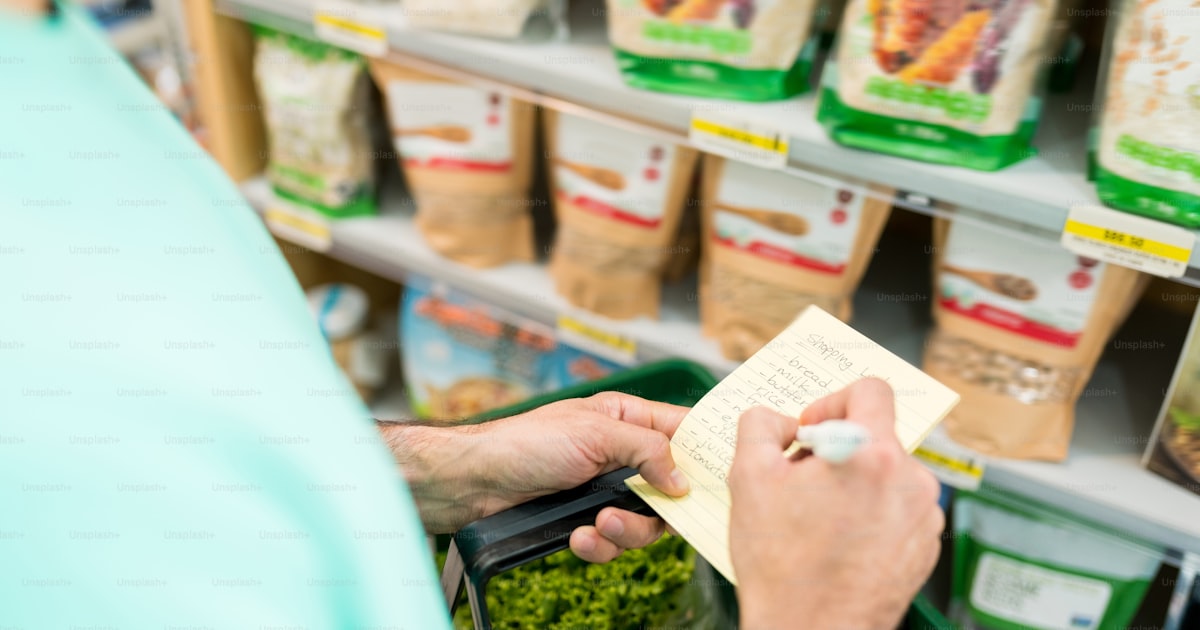
When most Canadians say 'inflation is bad', what they really mean is 'groceries are bad'. The data backs that up. Food-from-stores inflation has been one of the most persistent line items in Canada's CPI report for four years running.
Where the index sits in 2026
Statistics Canada's food-from-stores index entered 2026 still printing year-over-year increases in the mid single digits. That is materially above the Bank of Canada's 2 percent target for headline CPI, and a meaningful margin over wage growth for most income brackets.
The categories doing the most damage
Beef and pork: still up year-over-year on the back of herd reductions during the drought years
Dairy products: tightly regulated under supply management, with annual price increases at the farm gate
Bakery and cereal products: flour input costs and packaging are both elevated
Fresh vegetables: highly exposed to USD pricing and California/Mexico weather
Coffee, sugar, cocoa: global commodity moves continue to flow through to Canadian shelves
Where prices have eased
A handful of categories have actually flattened or fallen modestly: certain frozen and shelf-stable items, household paper goods, and some seasonal produce when North American crops cooperate. These are the corners of the store where shoppers can recapture some margin.
What this means for an average household
Canada's Food Price Report, published annually by a coalition of universities including Dalhousie, Guelph, Saskatchewan and UBC, has projected meaningful annual increases in the average household food bill for several years running. For 2026, the report anticipated a further increase of several hundred dollars for a family of four — on top of all the increases already absorbed.
What to watch next
CAD vs USD exchange rate: a weaker loonie pushes fresh produce up almost in real time
Diesel and ocean freight rates: a sustained increase here flows through to wholesale food costs in 2 to 3 months
Federal and provincial regulation around the grocery sector, including any movement on a Code of Conduct or Competition Act amendments
Climate and crop reports from the Prairies, BC, California and Mexico
Frequently asked questions
What is food inflation in Canada in 2026?
As of early 2026, the food-from-stores index in Canada's CPI continues to rise faster than headline inflation, with year-over-year increases in the mid single digits.
Which grocery categories are rising the fastest?
Beef, pork, dairy, bakery, fresh vegetables, and certain global commodities like coffee and sugar have been among the fastest-rising categories.
When will Canadian food inflation come back down?
Most economists expect grocery inflation to continue moderating over 2026, but it is unlikely to return to the under-2-percent range that defined the 2010s without a sustained period of softer commodity, labour and currency conditions.
What is Canada's Food Price Report?
It is an annual report from a coalition of Canadian universities that forecasts food price changes for the year ahead and estimates the impact on a typical household budget.
Put this into practice
Add this week's sale items to your list and build a cheaper multi-store trip in a few minutes.