Why are groceries so expensive in Canada in 2026?
Related comparisons
Canadian grocery prices keep climbing. Here are the real drivers behind food inflation in 2026 and what shoppers can do to push back.
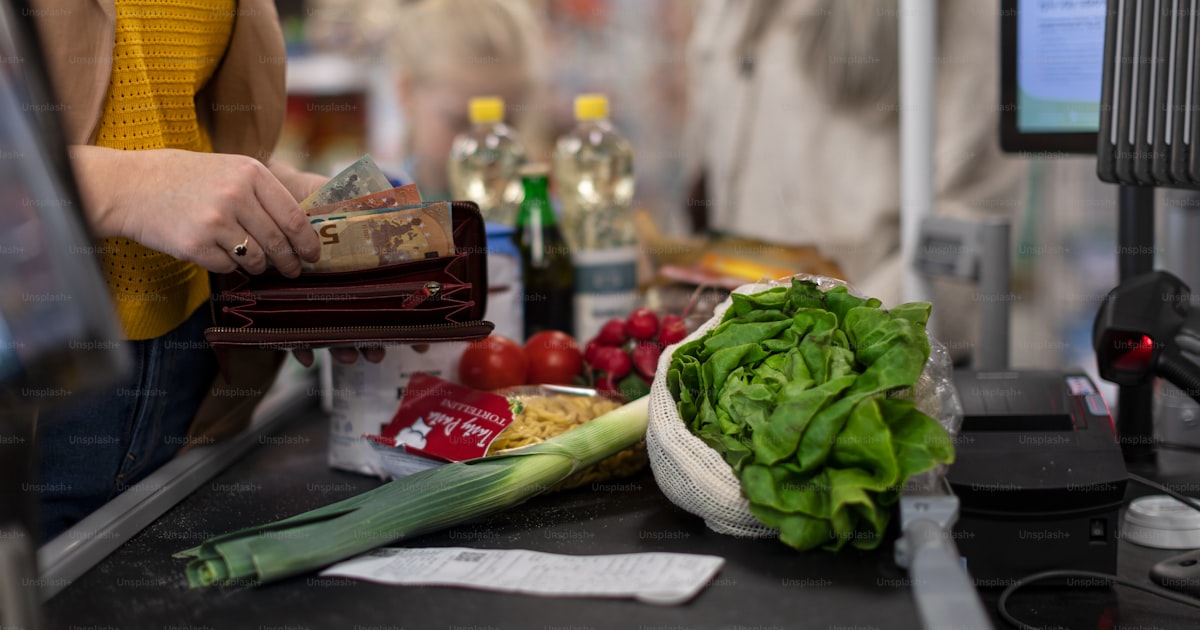
Almost every Canadian shopper has had the same experience at the till lately: the same cart, a higher total. Food inflation has been the most stubborn category of the post-pandemic price story, and 2026 has not given families much of a break. To plan around it, it helps to know what is actually pushing prices up.
Food prices have outrun the headline inflation rate
Canada's overall Consumer Price Index has cooled from its 2022–2023 highs, but grocery prices have not cooled in lockstep. Statistics Canada's food-purchased-from-stores index has continued to print well above the headline CPI, meaning groceries specifically are getting more expensive faster than most other things in the basket.
For a typical Canadian household, that compounds. A 4 percent year-over-year increase on a $14,000 annual food bill is roughly $560 — every year, on top of last year.
What is actually pushing prices up?
1. Supply chain costs that never fully reset
Diesel, ocean freight, and food packaging costs spiked in 2022 and stayed elevated. Even when the headline price of fuel falls, contracted shipping rates lag, and many of those higher costs were quietly built into the wholesale price of food and never came back down.
2. Climate and crop disruption
Drought in the Prairies, wildfires in BC and Alberta, and weather events affecting California and Mexico — Canada's main produce sources in winter — have all pushed up the cost of staples like beef, wheat, lettuce and citrus.
3. Concentrated retail market
Five companies — Loblaw, Sobeys, Metro, Costco and Walmart — sell the bulk of Canada's groceries. The Competition Bureau's 2023 retail grocery study flagged that this concentration limits price competition, and the dynamic has not materially changed in 2026.
4. The weak Canadian dollar
Most fresh produce in winter, much of our beef inputs, and a meaningful share of packaged goods are priced in US dollars. When the loonie weakens, every imported food item gets more expensive in CAD, and grocers pass that through.
5. Carbon pricing and regulatory costs
Federal and provincial carbon pricing affects fuel, fertilizer and on-farm energy. The direct effect on grocery prices is debated and modest, but it stacks on top of every other cost increase along the supply chain.
What you can actually do about it
You cannot fix the macro picture from your kitchen, but a focused shopper can take 15–25 percent off their effective grocery bill with three habits.
Shop the flyer first. Build the week's meals around what is actually on sale, not the other way around.
Compare unit prices, not sticker prices. The bigger pack is often more expensive per gram.
Plan a single, optimized multi-store run instead of three or four small trips that burn time and gas.
Grocery Saver does the first and third of these for you automatically — surface this week's biggest sale prices in your city, then plan the cheapest route to grab them.
Frequently asked questions
Are grocery prices in Canada still going up in 2026?
Yes. While the rate of increase has slowed from its 2022 peak, food-from-stores prices have continued to rise faster than overall inflation through 2026 according to Statistics Canada.
Why is food inflation higher than the regular CPI?
Groceries are exposed to climate volatility, currency exchange, fuel cost, packaging cost and a concentrated retail market all at once. Each of these can move independently of the goods that anchor headline CPI.
Does carbon pricing make groceries more expensive?
It contributes a small amount, mostly through higher fuel, fertilizer and farm energy costs. It is not the largest driver, but it adds to a stack of other inflationary pressures.
Can the average Canadian household actually beat food inflation?
You can not beat the macro number, but you can take 15 to 25 percent off your effective bill with disciplined flyer shopping, unit-price comparison, and route-optimized multi-store trips.
Put this into practice
Add this week's sale items to your list and build a cheaper multi-store trip in a few minutes.