Food insecurity in Canada is at a record high. Here is how to fight back on your grocery bill.
Related comparisons
Nearly one in four Canadians now lives in a food-insecure household. This guide explains what food insecurity means, who it affects, and the practical steps — plus the tools — that help families stretch a grocery budget further.
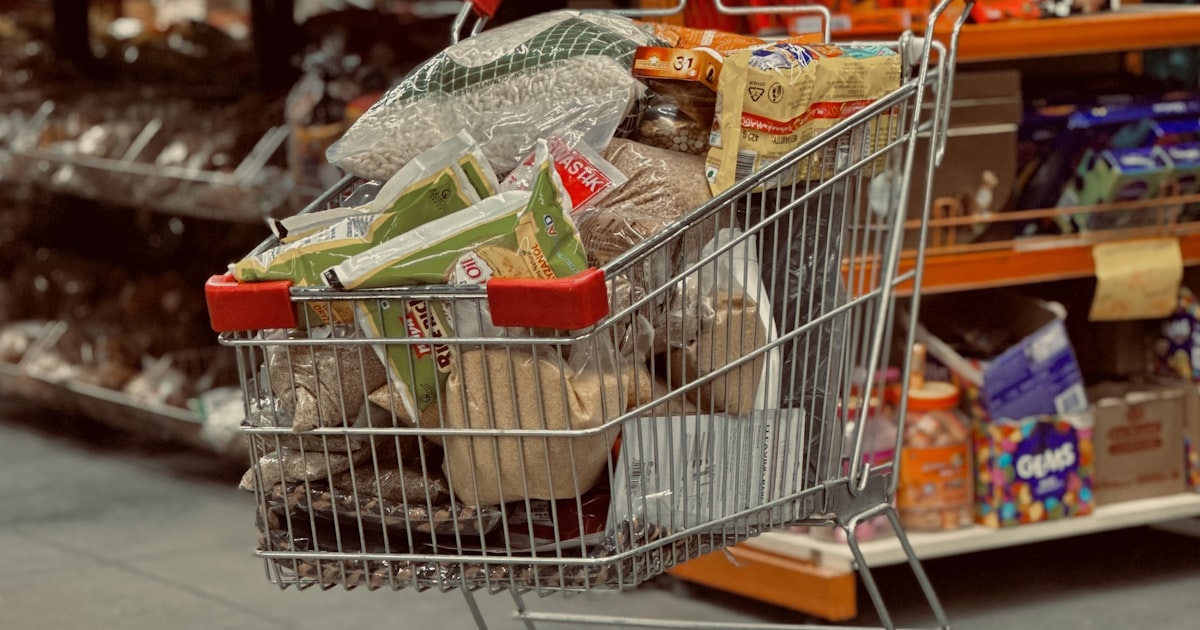
Food insecurity used to be framed as a problem that happened to other people — the unemployed, the homeless, the unlucky. In 2026 that framing no longer holds. Across Canada, working parents, students, seniors and full-time employees are skipping meals, watering down portions and choosing between rent and groceries. This is a guide to what food insecurity actually is, how widespread it has become, and — most importantly — the concrete steps you can take this week to make your grocery budget go further.
What does "food insecurity" actually mean?
Food insecurity is the inadequate or insecure access to food because of financial constraints. Statistics Canada measures it on a spectrum, and that spectrum matters because most people who are food-insecure do not look like the stereotype:
Marginal food insecurity — worrying about running out of food, or limiting what you buy because money is tight.
Moderate food insecurity — compromising on the quality or quantity of food: buying cheaper, less nutritious options, or eating less than you should.
Severe food insecurity — missing meals, going whole days without eating, or going hungry because there is no money for food.
The key word is financial. Food insecurity is not about poor planning or a lack of cooking skills. It is fundamentally a problem of income colliding with the cost of food and housing — which is exactly why it has spread so fast as grocery prices and rent have climbed.
How bad is it in Canada right now?
The numbers have moved from troubling to alarming. According to Statistics Canada and PROOF, the University of Toronto research team that tracks household food insecurity, the share of Canadians affected has climbed to its highest level on record.
~1 in 4
In the ten provinces, roughly 23 to 24 percent of people — close to 10 million Canadians, including more than 2.5 million children — lived in a food-insecure household in the most recent data. A decade ago that figure was closer to one in eight. The problem has roughly doubled in a generation.
~2.2 million
The downstream symptom is visible at food banks: Food Banks Canada's HungerCount recorded nearly 2.2 million visits in a single month, the highest in the country's history and roughly double the level of 2019. But food banks see only a fraction of the picture — most food-insecure households never use one, and quietly absorb the strain at the checkout instead.
Crucially, most food-insecure adults are working. PROOF's data consistently shows that the majority of food-insecure households rely on employment income, not social assistance. Having a job is no longer a guarantee of being able to feed your family.
Who is affected?
Food insecurity is not evenly distributed. The risk is highest for:
Households with children — especially single-parent families, where food insecurity rates can exceed 40 percent.
Renters, who have far higher rates than homeowners because housing eats the majority of their income.
Black and Indigenous households, who face food insecurity at roughly double the national rate due to systemic income gaps.
People relying on social assistance or disability support, where benefit levels have not kept pace with costs.
Northern and remote communities, where shipping costs can double or triple grocery prices.
Students and young workers in precarious, part-time or gig employment.
What it looks like up close
Statistics describe the scale; they do not capture the texture. The pattern that front-line workers and researchers describe again and again is the quiet, private rationing that happens long before anyone reaches a food bank.
"I feed the kids first and tell them I already ate. By Thursday I am counting what is left in the cupboard and hoping payday comes before it runs out."— A composite account reflecting experiences commonly reported by food-insecure parents in Canada
It is the senior who buys the same four cheap items every week because the budget will not stretch to fresh produce. It is the student living on instant noodles who has stopped inviting friends over because there is nothing to offer. It is the two-income family that looked secure on paper until rent jumped $400 a month and groceries became the only flexible line left to cut. These are not edge cases. With one in four households affected, they are the people in your neighbourhood, your workplace and your kid's class.
Where grocery prices fit in
Food insecurity is ultimately a problem of income, housing and policy — and those root causes need policy solutions. But within a household budget, groceries are usually the most flexible large expense. Rent is fixed. Utilities are fixed. The grocery bill is where pressure lands, because it is the one number you can actually move week to week.
That is also where the opportunity is. The same item can vary by 30 to 50 percent between stores in the same city, and most households shop on autopilot at one chain without ever seeing the difference. Closing that gap will not solve food insecurity — but for a family on the edge, finding an extra $40 to $80 a week in savings can be the difference between making it to payday and not.
Practical ways to stretch a tight grocery budget
None of these will fix a structural problem, but each one puts real money back in your pocket. Stack as many as you can:
Shop the flyers, not the store. Decide what is on sale first, then plan meals around it — the reverse of how most people shop. Prices are set weekly and the swings are large.
Compare across chains before you go. The cheapest store for produce is rarely the cheapest for meat or pantry staples. A few minutes of comparison routinely beats loyalty.
Build meals around price-stable, filling staples — dried legumes, rice, oats, frozen vegetables, eggs, in-season produce — and treat expensive proteins as accents, not centrepieces.
Buy loss leaders deep. When a staple you use hits a real low, buy enough to last until the next cycle. Stores price a few items below cost to draw you in; let them.
Use price-match policies. Several major chains will match a competitor's advertised price, letting you get the lowest deals without driving across town.
Check unit prices, not sticker prices, and watch for shrinkflation — the package that quietly shrank while the price held.
Stack loyalty points and digital coupons on top of sale prices, but never let a points promo talk you into buying something you would not otherwise need.
Plan for leftovers and waste less. The average household throws out a meaningful share of what it buys; cooking once and eating twice is a direct raise.
How Grocery Saver helps
Most of the tips above come down to one hard task: knowing what is actually cheapest, where, this week. Doing that manually means flipping through a dozen flyers across multiple chains every time prices reset. That is exactly the work Grocery Saver automates.
We track real deals across the major grocery chains in your city and update them as flyers change, so you can see the genuinely lowest prices in one place instead of guessing.
You can compare the same item across stores at a glance, then build a shopping plan that pulls the best prices — turning the "compare before you go" tip into a few taps.
It is free to use. The whole point is to keep the money you save in your pocket, not to charge you for the privilege of saving it.
Grocery Saver is free. Pick your city, see the real deals near you this week, and build a shopping plan around the lowest prices — so a tight budget goes as far as it possibly can.
If you need help right now
Saving on groceries is not a substitute for support when the gap is too wide to close on your own. If you are struggling to put food on the table, that is not a personal failure — it is what one in four Canadian households is living through. Reach out to your local food bank or community food centre; they exist for exactly this, and using them when you need to means the difference goes to feeding your family instead of going hungry. Monetary donations, if you are in a position to give, stretch much further than canned goods because food banks can buy wholesale.
The takeaway
Food insecurity in Canada is at a record high, it is increasingly a problem of working households, and it is driven by forces — income, housing, food prices — that no shopping list can fully fix. But the grocery bill is the one part of that equation you can move today. Shop the deals, compare across stores, lean on staples, and use the tools that do the comparison for you. It will not end food insecurity. It will, for a lot of families, make the week a little less impossible.
Frequently asked questions
What is food insecurity?
Food insecurity is inadequate or insecure access to food because of financial constraints. It ranges from worrying about running out of food (marginal), to compromising on the quality or quantity of what you eat (moderate), to missing meals or going days without eating (severe). It is driven by income, housing costs and food prices — not by poor planning.
How many Canadians are food insecure in 2026?
Roughly one in four people in the ten provinces — close to 10 million Canadians, including more than 2.5 million children — lived in a food-insecure household in the most recent Statistics Canada data tracked by PROOF. That share has roughly doubled over the past decade and is the highest on record.
Are most food-insecure Canadians unemployed?
No. The majority of food-insecure households in Canada rely on employment income, not social assistance. Having a job no longer guarantees that a household can afford enough food, because wages have not kept pace with housing and grocery costs.
Who is most at risk of food insecurity in Canada?
Single-parent families, renters, Black and Indigenous households, people on social assistance or disability support, residents of northern and remote communities, and students or workers in precarious employment face the highest rates. Households with children are especially affected.
How can I save money on groceries when money is tight?
Plan meals around weekly flyer deals, compare prices across chains before shopping, build meals around cheap filling staples like legumes and frozen vegetables, stock up on loss leaders, use price-match policies, check unit prices, and reduce food waste. Tools like Grocery Saver automate the price comparison so you can find the lowest deals in your city quickly.
Does Grocery Saver cost money?
No. Grocery Saver is free to use. It tracks real deals across major grocery chains in your city, lets you compare the same item across stores, and helps you build a shopping plan around the lowest prices — so any savings stay in your pocket.
Where can I get help if I cannot afford food?
Contact your local food bank or community food centre — they exist to help and most food-insecure households never use one despite being eligible. There is no shame in it. If you are able to give instead, monetary donations stretch further than food because food banks can buy wholesale.
Put this into practice
Add this week's sale items to your list and build a cheaper multi-store trip in a few minutes.