Canada's Grocery Code of Conduct: what it is and why it matters
Related comparisons
Canada is developing a Grocery Code of Conduct to regulate how large retailers treat suppliers and, ultimately, consumers. Here is where it stands and what it could change.
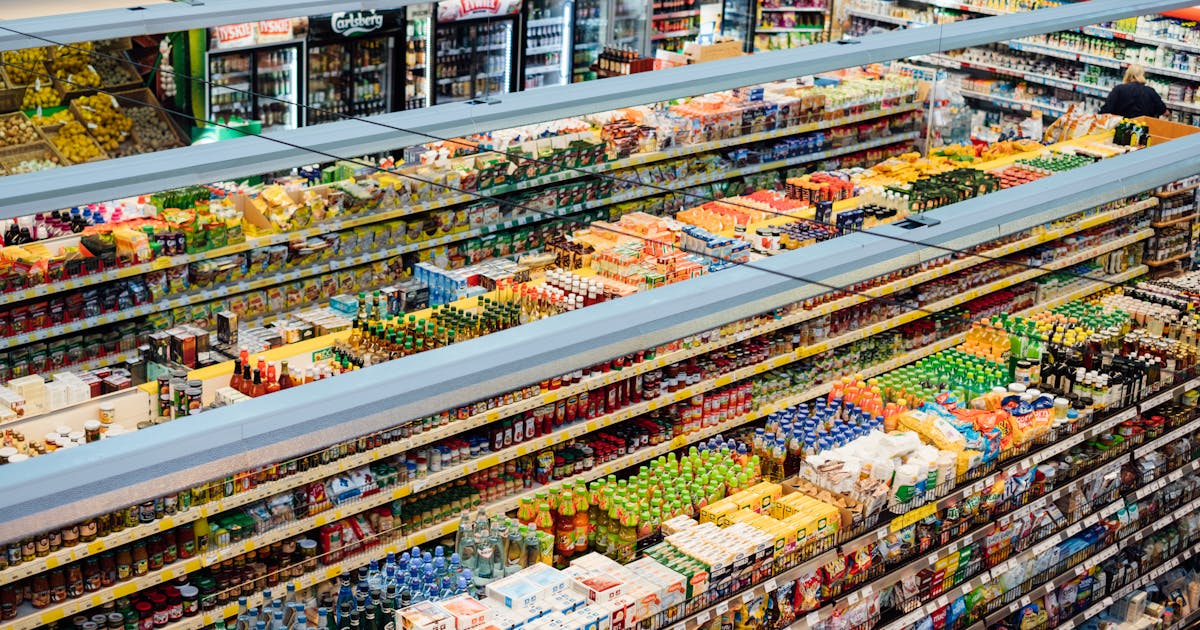
Canada's Grocery Code of Conduct is an industry-led framework that aims to govern the commercial relationship between grocery retailers and their suppliers. If implemented effectively, it could improve fairness in the supply chain and, indirectly, put downward pressure on consumer prices.
Why does Canada need a grocery code?
Canada's grocery market is heavily concentrated, and the power dynamic between large retailers and smaller suppliers is deeply asymmetric. Suppliers have long complained about practices like arbitrary fee increases, last-minute order changes, payment delays, and penalties imposed without transparency. These costs get passed through to consumers.
What would the code actually do?
Establish clear rules for how retailers negotiate with suppliers
Prohibit certain unfair practices (retroactive fees, unjustified deductions)
Create a dispute resolution mechanism so suppliers can challenge unfair treatment
Require transparency in fee structures and contract terms
Set standards for payment timing
Where does it stand in 2026?
The code has been under development for several years. While most of the industry has expressed support in principle, the process has been slowed by disagreements over enforcement mechanisms, Loblaw's initial hesitation to sign, and debates about whether the code should be voluntary or mandatory.
As of 2026, the code remains voluntary. Critics argue that a voluntary code without a credible enforcement mechanism will have limited impact, especially given the market power of the largest retailers.
Will it actually lower grocery prices?
A code of conduct is not a price control. It will not directly set or cap grocery prices. However, by reducing unfair costs imposed on suppliers, it could modestly reduce the cost inflation that gets passed through to consumers. International examples (the UK Groceries Code Adjudicator, for instance) suggest it can improve supplier treatment but has limited direct effect on shelf prices.
What other countries have done
United Kingdom: mandatory Groceries Supply Code of Practice since 2010, enforced by an independent adjudicator
Australia: mandatory Food and Grocery Code of Conduct since 2015
Ireland: regulations governing unfair trading practices in food supply
The EU: Unfair Trading Practices Directive covering food supply chain
Frequently asked questions
What is Canada's Grocery Code of Conduct?
It is a proposed framework to govern the commercial relationship between large grocery retailers and their suppliers, aiming to prevent unfair practices like arbitrary fees, payment delays, and non-transparent deductions.
Will the Grocery Code of Conduct lower food prices?
Not directly. It is designed to improve fairness in the supply chain rather than set prices. However, reducing unfair supplier costs could modestly ease the cost inflation that gets passed to consumers.
Is Canada's Grocery Code mandatory or voluntary?
As of 2026, the code remains voluntary. Whether it should become mandatory is an active policy debate, with critics arguing a voluntary code lacks enforcement power against dominant retailers.
Does the UK have a grocery code?
Yes. The UK has had a mandatory Groceries Supply Code of Practice since 2010, enforced by an independent Groceries Code Adjudicator.
Put this into practice
Add this week's sale items to your list and build a cheaper multi-store trip in a few minutes.