Do three companies control Canadian grocery prices?
Related comparisons
Loblaw, Sobeys and Metro sell the majority of groceries in Canada. Here is what that concentration means for prices, competition and your weekly bill.
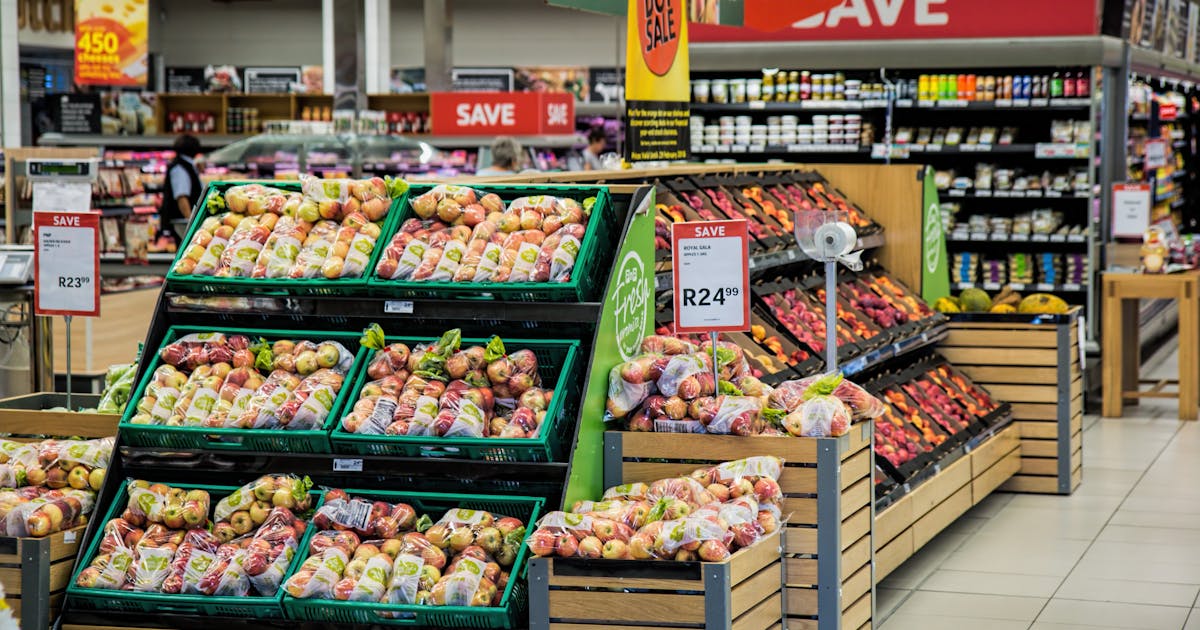
Walk into almost any Canadian grocery store and you are shopping inside one of three empires. Loblaw Companies, Empire (Sobeys), and Metro collectively control an estimated 60 percent or more of the Canadian grocery market by revenue. Add Walmart and Costco, and those five capture a dominant share. The question Canadians are asking more loudly than ever: does this concentration hurt us at the checkout?
How concentrated is the Canadian grocery market?
Canada's grocery market is one of the most concentrated among developed economies. In comparable markets — the UK, Australia, the US — no single company holds the same share that Loblaw holds in Canada. The Competition Bureau's 2023 retail grocery market study confirmed the structural lack of meaningful price competition.
~60%
Who owns what?
Loblaw Companies
Loblaws, No Frills, Real Canadian Superstore, Atlantic Superstore, Provigo, Maxi, Shoppers Drug Mart, T&T Supermarket, Wholesale Club
Roughly 30%+ of the national grocery market
Parent: George Weston Limited
Empire Company (Sobeys)
Sobeys, Safeway, FreshCo, IGA (Quebec), Foodland, Farm Boy, Longo's
Roughly 20%+ of the national market
Headquartered in Stellarton, Nova Scotia
Metro Inc.
Metro, Food Basics, Super C, Jean Coutu
Roughly 10-12% of the national market
Focused in Ontario and Quebec
How does concentration affect prices?
Economists broadly agree that market concentration tends to reduce competitive pressure on pricing. When consumers have fewer meaningful alternatives, the incentive for aggressive pricing weakens. The Competition Bureau found that margins in the Canadian grocery sector were above international comparables, though grocers dispute the methodology.
In practice, the discount banners (No Frills, Food Basics, FreshCo, Maxi) are often owned by the same parent as the premium banner down the street. The parent company prices each to capture a different customer segment rather than competing on price across its own portfolio.
What is being done about it?
The federal government convened major grocers in 2023 to demand a grocery price stabilization plan
The Competition Bureau recommended strengthening the Competition Act to address structural grocery concentration
A voluntary Grocery Code of Conduct is under development (but has faced delays and opt-outs)
Consumer advocacy groups continue to push for stronger regulatory tools
What shoppers can do in the meantime
You cannot restructure the market from your shopping cart, but you can claw back margin by shopping across banners, using flyer-driven strategies, and routing your spending to the discount tiers where competitive pressure is highest.
Grocery Saver helps you compare deals across chains in your city — so you can exploit whatever competition does exist rather than defaulting to a single banner.
Frequently asked questions
Is the Canadian grocery market a monopoly?
It is not a monopoly (one company) but an oligopoly (a small number of companies dominating the market). Loblaw, Sobeys and Metro together control approximately 60 percent of Canadian grocery sales.
Does grocery market concentration make food more expensive in Canada?
Economic evidence generally links market concentration to higher consumer prices and wider margins. The Competition Bureau has flagged this as a concern in Canada specifically.
Who owns No Frills and Superstore?
Both are owned by Loblaw Companies, which is controlled by George Weston Limited. No Frills is the discount banner; Real Canadian Superstore is the large-format banner.
What is the Competition Bureau doing about grocery prices?
The Bureau completed a retail grocery market study in 2023 and recommended strengthening the Competition Act to better address structural market concentration in groceries.
Put this into practice
Add this week's sale items to your list and build a cheaper multi-store trip in a few minutes.