How seasonal produce pricing works in Canada
Related comparisons
Why Canadian produce prices swing so much by season, which fruits and vegetables to time, and how to shop produce intelligently in 2026.
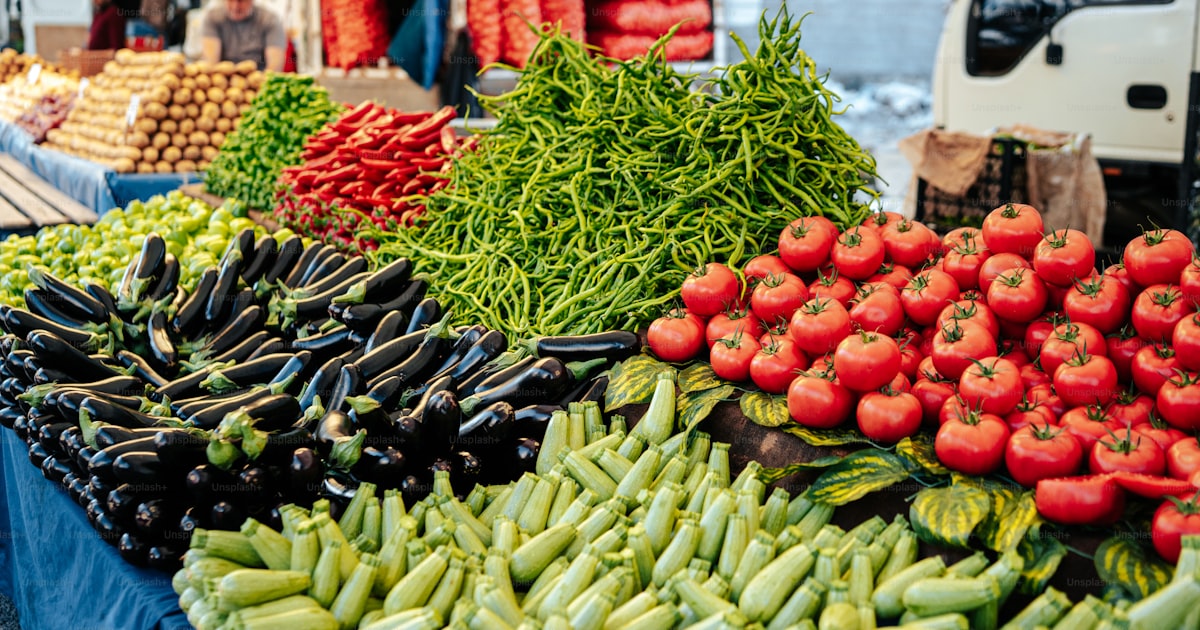
Canada is a long way from many of the places that grow our produce, and the calendar matters more here than in most countries. Knowing roughly when which fruits and vegetables are at their cheapest is one of the underrated grocery savings habits.
Why seasonality is so loud in Canadian produce pricing
In summer, Canadian-grown produce dominates the shelves and prices fall. In winter, almost everything is imported from California, Mexico, Florida, or further afield, and the cost reflects the freight, the exchange rate and the weather wherever it was grown.
Rough seasonal calendar
Spring (March to May)
Cheap: cabbage, root vegetables (carrots, onions, potatoes), bananas
Expensive: berries, leafy greens
Summer (June to September)
Cheap: strawberries (June), blueberries (July to August), corn, tomatoes, zucchini, peaches, apples late summer
Expensive: imported tropical fruit
Fall (October to November)
Cheap: apples, squash, root vegetables, cranberries, pears
Expensive: berries, asparagus
Winter (December to February)
Cheap: citrus (oranges, mandarins), bananas, root vegetables
Expensive: berries, tomatoes, leafy greens, asparagus
Practical strategies
Build winter recipes around root vegetables, cabbage, citrus and frozen produce
Buy summer berries and stone fruit aggressively when local — freeze for winter
Default to frozen for any fruit or vegetable that is out of Canadian season — typically cheaper and nutritionally comparable
Watch for end-of-season produce sales as one crop transitions to the next
Frequently asked questions
When is produce cheapest in Canada?
Most fresh produce is at its cheapest during peak Canadian growing season for that item — strawberries in June, blueberries in July and August, apples in late summer and fall, root vegetables through the fall and winter.
Is frozen produce cheaper than fresh in Canada?
Most of the year, yes — particularly for berries and many vegetables that are imported when out of Canadian season. Frozen is usually cheaper, lasts longer, and is nutritionally comparable.
Why do tomatoes get so expensive in Canadian winters?
Most winter tomatoes are imported, often from Mexico or US greenhouses. The price reflects freight, exchange rate, and climate-driven volatility wherever they were grown.
Put this into practice
Add this week's sale items to your list and build a cheaper multi-store trip in a few minutes.