The 100 km diet: can you eat local in Canada without breaking the bank?
Related comparisons
The 100 km challenge asks you to eat only food grown or raised within 100 kilometres of home. Here is what it actually involves in Canada, what it does and does not do for the climate, and how to try it without wrecking your grocery budget.
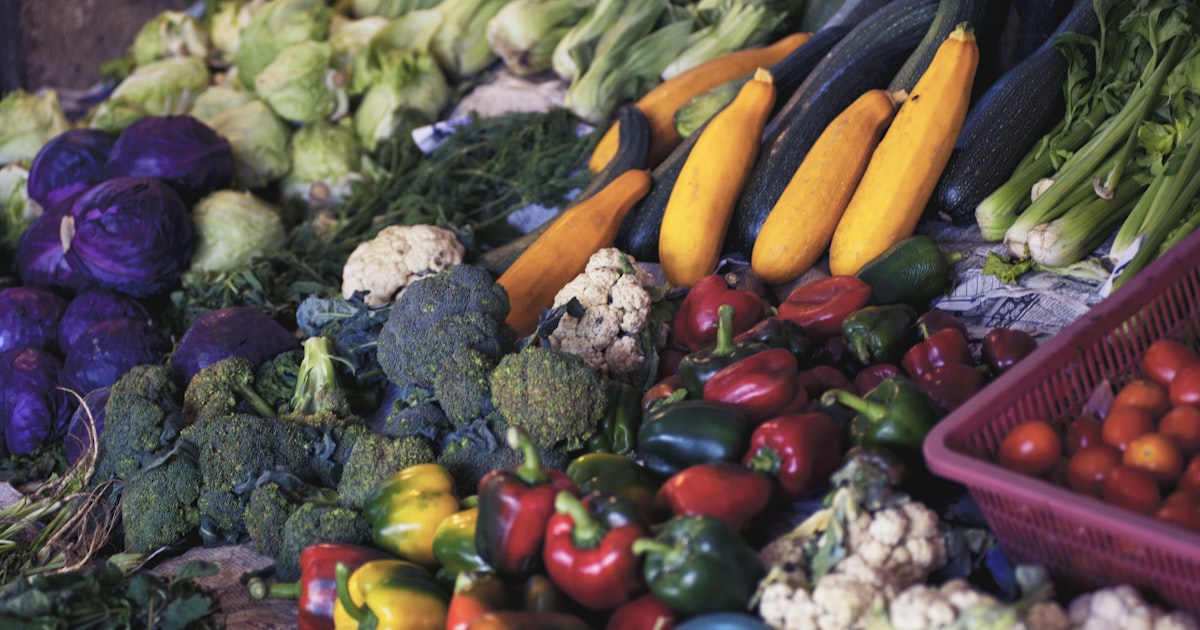
The idea started in Canada. In 2005, two Vancouver writers, Alisa Smith and J.B. MacKinnon, spent a year eating only food produced within 100 miles of their apartment. The book that came out of it — The 100-Mile Diet — turned a personal experiment into a movement, and the metric version, the 100 km diet, is now the shorthand for eating local anywhere in the country.
Twenty years later the challenge is still worth doing, but for slightly different reasons than most people assume. Here is what the 100 km diet actually involves in Canada, what the carbon math really says, and how to cut your own food miles without paying a sustainability premium you cannot afford.
What the 100 km challenge actually is
The rule is simple: for a set period — a week, a month, a season, or a full year if you are ambitious — you only eat food that was grown, raised, caught or made within 100 kilometres of where you live. Most people run it as a summer or harvest-season challenge, because that is when it is realistic in a Canadian climate.
The hard part is not produce. It is the pantry. Coffee, sugar, olive oil, rice, citrus, black pepper and most cooking oils simply are not produced anywhere near a Canadian household. Most people who take the challenge seriously allow themselves a small list of exemptions — often salt, plus two or three non-negotiables — and are honest about them.
Easy within 100 km in most of Canada from June to October: vegetables, berries, apples, eggs, honey, dairy, chicken, pork, beef, freshwater and coastal fish
Possible with effort: flour and grains (Prairie and Ontario mills), dried beans, canola oil, cheese, cider and beer
Effectively impossible almost everywhere: coffee, tea, citrus, rice, cane sugar, olive oil, chocolate, most spices
Hardest season: February to April, when local storage crops run out and greenhouse produce carries a premium
Why eating local matters — and where the carbon math gets misread
The original pitch for the 100 km diet was food miles: the further your food travels, the more fuel it burns. That is true, but it is a smaller share of the footprint than most people expect. The widely cited Poore and Nemecek analysis in Science found that transport accounts for roughly 5 to 10 percent of the emissions of a typical food product. What you eat generally matters more than how far it travelled — a locally raised steak carries a far larger footprint than lentils shipped across an ocean.
~5–10%
That is not an argument against eating local. It is an argument for being honest about why you are doing it. The real case for the 100 km diet in Canada rests on four things that hold up well:
Air freight and cold chains. The transport share is small on average but enormous for the exceptions — highly perishable produce flown in out of season can be many times more carbon-intensive than the same item trucked in from a nearby farm.
Seasonality comes bundled with it. Eating within 100 km forces you to eat in season, and in-season field crops avoid the heated-greenhouse energy that makes out-of-season local produce surprisingly carbon-heavy.
Less waste in a shorter chain. Food that travels two days instead of two weeks arrives with more shelf life left, and produce that lasts longer in your fridge is produce you actually eat instead of throw out. Roughly a third of food produced globally is never eaten.
Money that stays in the local economy. A dollar spent at a nearby farm supports regional agriculture and food resilience in a way a dollar spent on an imported equivalent does not.
The useful takeaway: local beats imported when it is in season and grown in a field. Out of season, a heated local greenhouse can be worse for the climate than a truckload from California. Season matters more than distance.
Does eating local cost more?
It depends entirely on timing, which is the same conclusion we reached in our breakdown of whether buying local is cheaper in Canada. At peak harvest, local strawberries in June, corn and tomatoes in August, and apples and squash in September and October are frequently priced at or below supermarket equivalents. U-pick operations and direct-from-farm bulk meat orders can beat retail by 20 to 50 percent.
Off-season, the arithmetic flips hard. Local greenhouse produce in February costs more than imported, and small-batch artisanal goods carry a real premium. A 100 km challenge run in August is affordable. The same challenge run in March is an expensive hobby.
How Grocery Saver helps you eat closer to home
Grocery Saver is a free tool that tracks real sale prices across the grocery chains in your city each week. It is not a farm directory, but three things it does make a local-first grocery habit considerably easier to sustain:
It shows you what is actually cheap this week in your city. When a produce item is deeply discounted in a Canadian store in season, it is usually because domestic supply is peaking — price is a surprisingly reliable proxy for local abundance.
It builds a shopping plan around the stores near you. Instead of driving to three stores across town chasing deals, you get one route that hits the fewest stops for the best total price — fewer kilometres driven for your own groceries.
It supports transit and walking routes, not just driving. If you would rather not take the car, the shopping plan can be optimized for public transit, which is often the single largest cut you can make to the footprint of a grocery run.
Grocery Saver is free. Pick your city, see this week's real deals near you, and build a shopping plan around the lowest prices and the shortest trip — a local-first cart that does not cost more.
Practical tips for reducing your food miles
You do not need to commit to a purist year to get most of the benefit. These habits cut food miles and food waste at the same time, and most of them save money:
Start with a 100 km week, not a 100 km year. Run it in August or September when local supply is at its peak and the challenge is genuinely enjoyable.
Read the country-of-origin label on produce. It is legally required in Canada, it takes two seconds, and it is the single highest-leverage habit on this list.
Eat what is in season. Field-grown Canadian produce in season is cheaper and lower-impact than the same item flown in during winter.
Preserve the surplus. Freezing berries, canning tomatoes and storing squash and root vegetables extends your local season into January without a greenhouse.
Buy staples in bulk from Canadian producers. Prairie flour, oats, dried beans and canola oil are domestic, shelf-stable and cheaper per kilogram in larger sizes.
Cut the number of shopping trips, not just the distance. Consolidating three trips into one is a bigger reduction than most sourcing changes you will make.
Prioritize where the transport penalty is real. Skip air-freighted, highly perishable imports out of season; do not agonize over shelf-stable goods that travelled by ship.
Shift one meal a week toward plants. Because diet composition outweighs transport, this typically beats every food-miles change combined.
Waste less. The lowest-carbon food in your kitchen is the food you already bought and actually ate.
Keep your exemptions and be honest about them. A realistic 90 percent local diet you sustain beats a perfect one you abandon in week two.
The takeaway
The 100 km diet is a better teaching tool than it is a carbon strategy. Run it for a week and you learn what your region actually grows, when it grows it, and how much of your normal cart depends on a supply chain you never think about. Most people come out of it eating more seasonally, wasting less, and — if they time it to harvest season — spending less than they did before.
Frequently asked questions
What is the 100 km diet?
The 100 km diet is a food challenge in which you eat only food grown, raised, caught or produced within 100 kilometres of your home. It grew out of The 100-Mile Diet, a 2005 experiment by Vancouver writers Alisa Smith and J.B. MacKinnon who ate locally for a full year.
Is eating local actually better for the environment?
Partly. Transport accounts for roughly 5 to 10 percent of the emissions of a typical food product, so distance matters less than most people assume. Eating local helps most when it means eating in season, avoiding air-freighted perishables, and wasting less food. What you eat — particularly how much red meat and dairy — generally has a larger effect than how far it travelled.
Is the 100 km diet expensive in Canada?
It depends on the season. From June to October, in-season local produce is often priced at or below supermarket equivalents, and direct-from-farm meat and U-pick fruit can be well below retail. From February to April, local greenhouse produce carries a real premium over imports, and the challenge gets expensive.
What foods are impossible to get within 100 km in Canada?
Coffee, tea, citrus, rice, cane sugar, olive oil, chocolate and most spices are not produced anywhere near a Canadian household. Most people running the challenge allow a short list of exemptions and are upfront about them.
When is the best time to try a 100 km challenge in Canada?
August through early October in most of the country. That is peak harvest, when local vegetables, fruit, eggs, dairy and meat are all widely available and priced competitively. A winter attempt is far harder and considerably more expensive.
How can I reduce my food miles without doing the full challenge?
Read country-of-origin labels, buy field-grown produce in season, preserve summer surplus for winter, buy Canadian shelf-stable staples in bulk, consolidate your shopping trips, and waste less. Those habits capture most of the benefit without the restriction.
How does Grocery Saver help with eating local?
Grocery Saver tracks real weekly sale prices across the grocery chains in your city. Deep in-season discounts usually signal peak domestic supply, and the shopping plan builds the shortest route across the fewest stores — including public transit options — so your own grocery run burns fewer kilometres.
Put this into practice
Add this week's sale items to your list and build a cheaper multi-store trip in a few minutes.