How climate change is reshaping Canadian grocery prices
Related comparisons
Droughts, wildfires, floods and heat waves are not abstract anymore — they show up at the grocery store. Here is how climate is changing what Canadians pay for food.
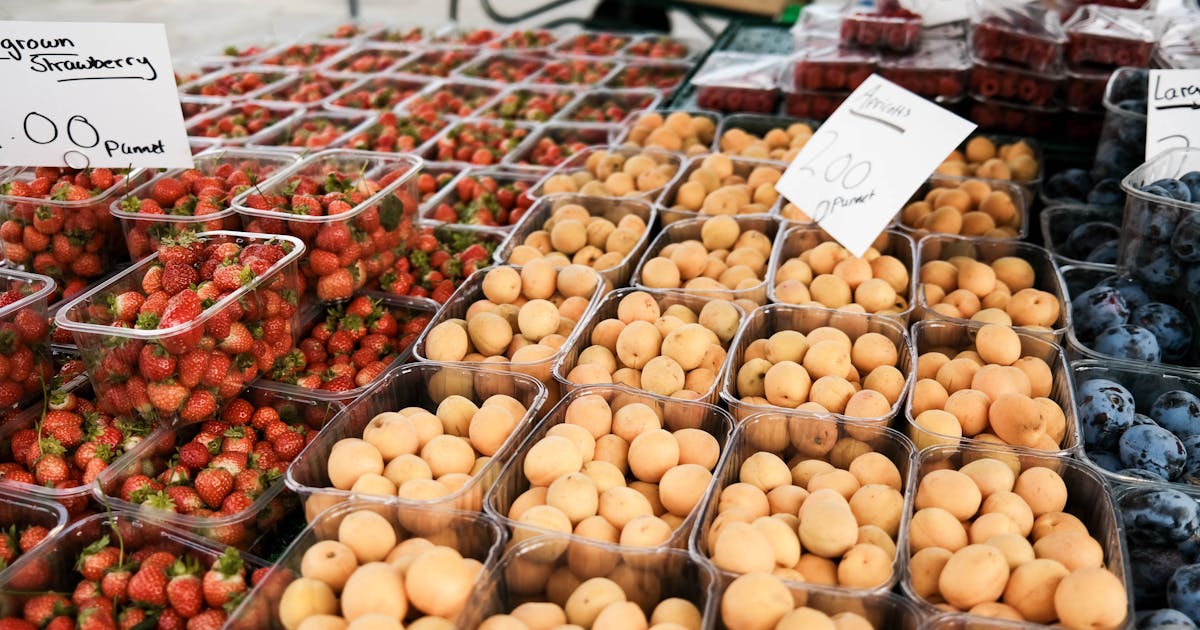
Climate change is no longer a future risk for Canadian grocery prices — it is a present reality. Multi-year droughts in the Prairies, unprecedented wildfires in BC and Alberta, and extreme weather in California and Mexico (Canada's main winter produce sources) have all pushed food prices higher in recent years. The trend is accelerating.
How climate events flow to the grocery shelf
A drought or wildfire reduces crop yield or forces herd liquidation
Reduced supply meets steady or growing demand, pushing wholesale prices up
Wholesale increases flow to retail with a lag of weeks (perishables) to months (packaged goods)
If the event was severe enough to affect multi-year supply (e.g., cattle herd), prices stay elevated for years
Recent climate events that hit Canadian grocery prices
Prairie drought (2021 onward): cattle herd reductions, grain yield drops — elevated beef and bakery prices for years
BC wildfires and atmospheric rivers (2021, 2023): disrupted supply chains, damaged farmland, raised produce costs
California drought and heat (ongoing): lettuce, berries, tomatoes, almonds all affected — visible in Canadian winter produce prices
Flooding in major growing regions: periodic lettuce and leafy-green price spikes from Salinas Valley flooding
Cocoa, coffee, sugar supply disruptions (West Africa, Brazil): global commodity moves flowing through to Canadian shelves
Which food categories are most climate-exposed?
Beef: extremely exposed to Prairie drought (multi-year herd recovery)
Fresh produce: exposed to weather events in California, Mexico and Canadian growing regions
Grains and bakery: Prairie wheat, canola, oats all climate-vulnerable
Dairy: indirect exposure through feed costs
Global commodities (coffee, cocoa, sugar, olive oil): exposed to tropical and Mediterranean climate disruption
What this means for long-term grocery planning
Climate-driven food inflation is not cyclical — it is structural. The baseline frequency of extreme weather events is increasing, and each event leaves a residual price impact. Canadian shoppers should expect continued above-trend food price increases driven by climate, layered on top of other inflationary pressures.
How to build climate resilience into your grocery budget
Diversify protein sources — do not rely entirely on beef, which is the most climate-exposed protein
Build a freezer strategy: stock when prices are favourable to buffer against future spikes
Grow some of your own produce if you have space (even a balcony garden produces herbs and greens)
Favour domestic, seasonal produce in summer to reduce exposure to distant climate events
Watch for structural price increases and adjust your baseline — do not expect prices to return to pre-event levels
Frequently asked questions
Does climate change make groceries more expensive in Canada?
Yes. Droughts, wildfires, floods and heat waves in Canada and in major food-exporting regions directly reduce supply and increase wholesale costs, which flow through to Canadian grocery prices.
Why is beef so expensive due to climate change?
Multi-year drought in the Canadian Prairies forced ranchers to liquidate cattle herds. Rebuilding a herd takes years, so beef supply remains tight and prices remain elevated well after the drought ends.
Will climate-driven food inflation get worse?
Most projections suggest yes. The frequency and severity of extreme weather events is increasing, and each event leaves a residual impact on food production capacity and prices.
Which foods are least affected by climate change?
Shelf-stable processed foods, legumes, and foods with diversified global supply chains are generally less volatile than fresh produce and beef, though no category is entirely immune.
Put this into practice
Add this week's sale items to your list and build a cheaper multi-store trip in a few minutes.