Shrinkflation in Canada: the hidden grocery price increase
Related comparisons
Canadian grocery products are getting smaller while prices stay the same or rise. Here is how shrinkflation works, which categories are hit hardest, and how to spot it.
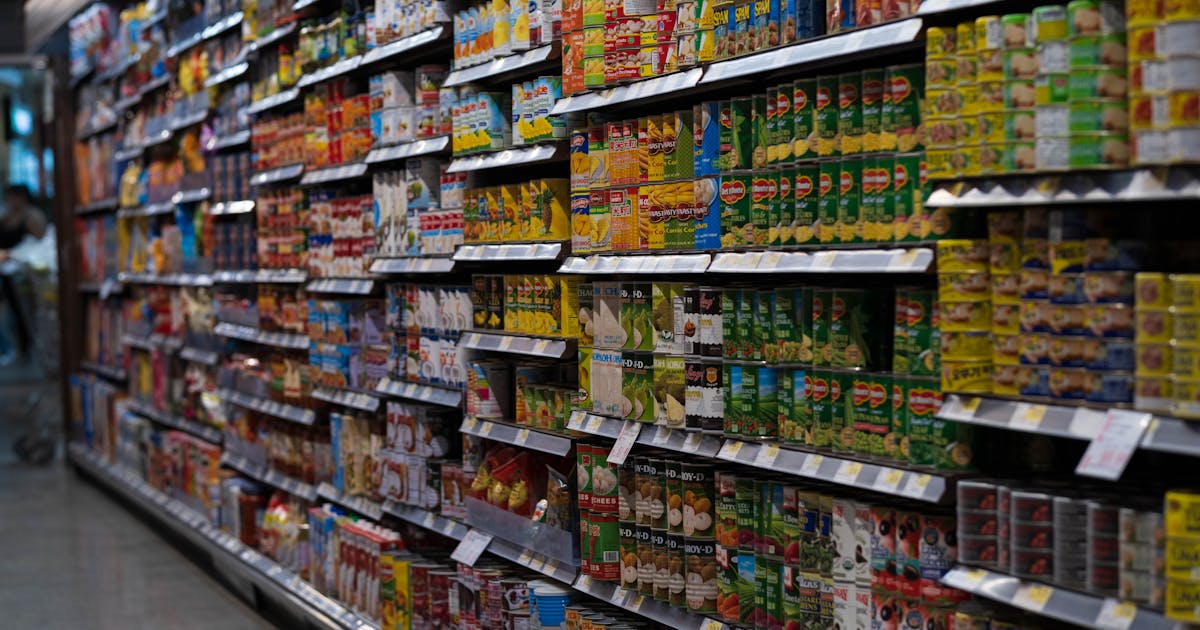
Shrinkflation is the practice of reducing the size or quantity of a product while keeping the price the same or raising it slightly. It is a price increase disguised as no change at all — and Canadian grocery shelves are full of it.
How shrinkflation works
A manufacturer faces higher input costs (ingredients, packaging, energy) but knows consumers are sensitive to sticker price. Instead of raising the price from $4.49 to $4.99, they reduce the package from 400g to 350g and hold the price at $4.49. The effective per-gram price has risen over 14 percent, but most consumers do not notice.
Categories hit hardest in Canada
Snack foods: chips, crackers and cookies have shrunk repeatedly since 2020
Cereals: box weights have dropped across most major brands
Ice cream: many "2L" tubs are now 1.5L at the same price point
Toilet paper and paper towel: fewer sheets per roll, same price per pack
Canned goods: some standard cans have moved from 398mL to 370mL or 340mL
Yogurt: multipack cups are smaller or contain fewer units
How to detect shrinkflation
Always check the unit price on the shelf tag ($/100g or $/L)
Note net weight on packaging — compare it to what you remember buying last month
Watch for "new look!" or "same great taste!" labels, which sometimes accompany size reductions
Compare store-brand vs name-brand sizes — store brands often lag on shrinkflation
Is shrinkflation captured in official inflation statistics?
Statistics Canada adjusts for package size changes in the CPI, so shrinkflation is theoretically captured in official food inflation numbers. However, the adjustment methodology means it may take time to appear in published data, and consumers feel the per-unit increase before it shows up in national statistics.
What you can do
Train your eye on unit price, not sticker price — every time
Favour store-brand versions which tend to maintain sizes longer
Buy in bulk when the per-unit math works (especially at Costco or on sale)
Report shrinkflation examples to consumer advocacy groups to keep pressure on manufacturers
Frequently asked questions
What is shrinkflation in Canada?
Shrinkflation is when a manufacturer reduces the size, weight or quantity of a grocery product while keeping the price the same or raising it slightly. It is a stealth price increase that most consumers do not immediately notice.
Which grocery products have shrunk in Canada?
Chips, crackers, cereals, ice cream (many tubs dropped from 2L to 1.5L), toilet paper, canned goods and yogurt multipacks are among the most commonly cited categories.
Does Statistics Canada track shrinkflation?
Yes. Statistics Canada adjusts for package size changes in its Consumer Price Index methodology, so shrinkflation is captured in official food inflation data, though with some lag.
How do you spot shrinkflation at the store?
Check the unit price on the shelf tag (cost per 100g or per litre) rather than the sticker price. Also note net weight changes and watch for redesigned packaging that may accompany size reductions.
Put this into practice
Add this week's sale items to your list and build a cheaper multi-store trip in a few minutes.