How the weak Canadian dollar drives up grocery prices
Related comparisons
A weaker loonie means more expensive groceries. Here is how currency moves flow through to your grocery bill and which categories are most exposed.
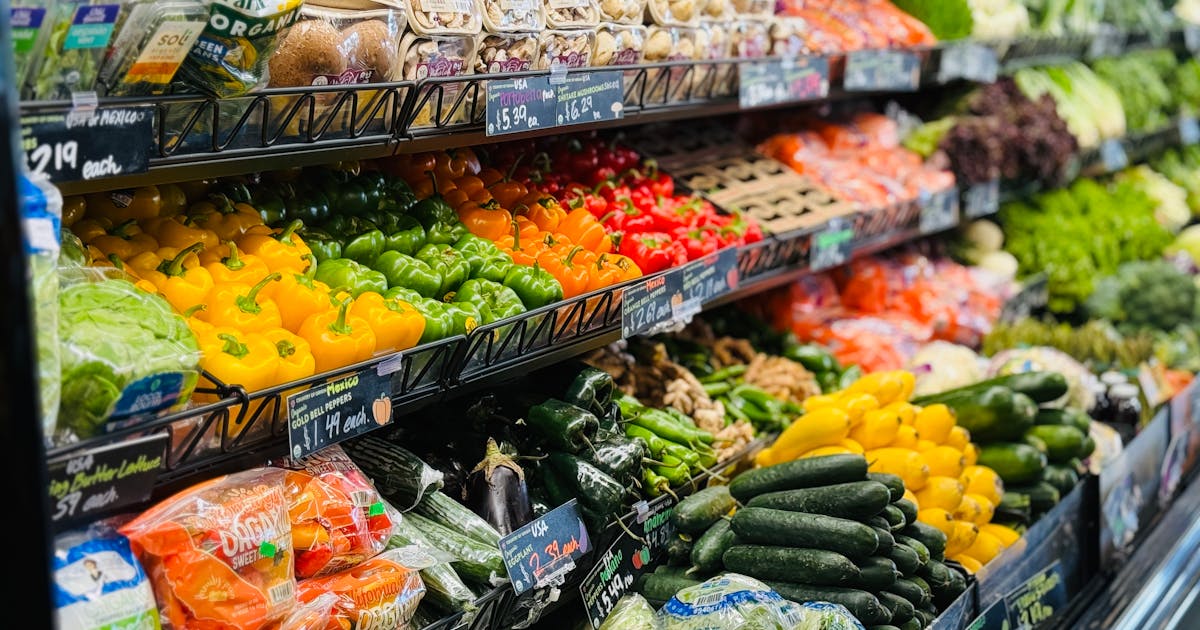
Canada imports a large share of its fresh produce, much of its packaged food inputs, and a meaningful portion of its proteins. Nearly all of this is priced in US dollars. When the CAD weakens against the USD, the cost of those imports rises in Canadian-dollar terms — and grocers pass that through to the shelf.
How much of your grocery basket is import-exposed?
Canada imports roughly 30 to 40 percent of its food supply. In winter months, that share rises significantly for fresh produce (almost all lettuce, tomatoes, berries and citrus are imported between November and May). Even domestically produced items often have imported inputs — feed, fertilizer, packaging, processing equipment — all priced in USD.
Which categories feel it most?
Fresh produce in winter: lettuce, tomatoes, berries, peppers, cucumbers — nearly all imported from California, Mexico or Florida
Citrus year-round: oranges, lemons, limes are rarely grown in Canada
Tropical fruit: bananas, avocados, mangoes — entirely imported
Packaged goods with US-origin ingredients or manufacturing
Some beef inputs and feed components
How quickly does it hit the shelf?
Fresh produce prices respond within one to three weeks of a currency move because procurement cycles are short. Packaged goods take two to four months because contracts are longer and manufacturers absorb short-term volatility. A sustained weakening over several months, however, flows through to nearly everything.
What shoppers can do
Lean into Canadian-grown produce in season (summer and fall) when import exposure is lowest
Use frozen fruits and vegetables as a buffer — they are typically contracted at earlier (potentially more favourable) exchange rates
Buy proteins on domestic supply cycles (Canadian chicken, pork, eggs are less currency-exposed)
Stockpile shelf-stable goods when prices are favourable rather than buying just-in-time
Frequently asked questions
Does the Canadian dollar affect grocery prices?
Yes, significantly. Canada imports 30 to 40 percent of its food supply, mostly priced in US dollars. A weaker loonie directly increases the cost of imported food and imported inputs into domestic food production.
Which groceries are most affected by the exchange rate?
Fresh produce in winter (nearly all imported), citrus, tropical fruit, and packaged goods with US-origin ingredients are the most exposed categories.
How fast do currency changes show up in grocery prices?
Fresh produce responds in one to three weeks. Packaged goods take two to four months. A sustained decline in the Canadian dollar affects nearly all food categories within a quarter.
Can Canadian shoppers avoid exchange rate effects on groceries?
Not entirely, but you can reduce exposure by eating Canadian-grown seasonal produce, using frozen options, and favouring domestic proteins like chicken and eggs.
Put this into practice
Add this week's sale items to your list and build a cheaper multi-store trip in a few minutes.